📊 What 12 Meta-Analyses Reveal About SEL ROI, and Why Districts Can’t Afford to Ignore It
In an era of shrinking budgets and rising accountability, school leaders are rightly asking: Is social-emotional learning (SEL) worth the investment?
The answer from researchers is resounding: Yes—by every measure.
A review of 12 major meta-analyses, covering over 700+ rigorous studies, reveals that SEL programs aren’t just “feel-good” add-ons, they deliver tangible, lasting academic and behavioral returns that far exceed their cost. In fact, one groundbreaking study found that for every $1 invested in SEL, schools gained an average of $11 in long-term benefits, including higher achievement, reduced discipline issues, and improved lifetime outcomes.
🔬 The Academic Lift: +11 Percentage Pointsrand reinforcement is a must
A comprehensive meta-analysis published in Child Development reviewed data from over 270,000 students across 213 studies. It found that students who participated in evidence-based SEL programs scored 11 percentile points higher on standardized tests compared to peers without SEL exposure.
But here’s the kicker:
This academic boost held across diverse settings, including Title I schools, multilingual classrooms, and urban districts with high trauma rates.
“SEL doesn’t take time away from academics, it builds the skills that make academics possible.”
CASEL, 2023 Research Brief.
📉 Discipline & Behavior: 20–30% Reduction in Referrals
Schools that implement schoolwide SEL systems see:
- Fewer office discipline referrals (ODRs)
- Lower suspension rates
- Higher prosocial behaviors, such as empathy, cooperation, and resilience
A meta-study by Durlak et al. found consistent drops in conduct problems and emotional distress, with the strongest results in schools using data to monitor fidelity and personalize interventions.
ISSP clients who layer in behavior dashboards, heat-maps, and automated progress monitoring have reported:
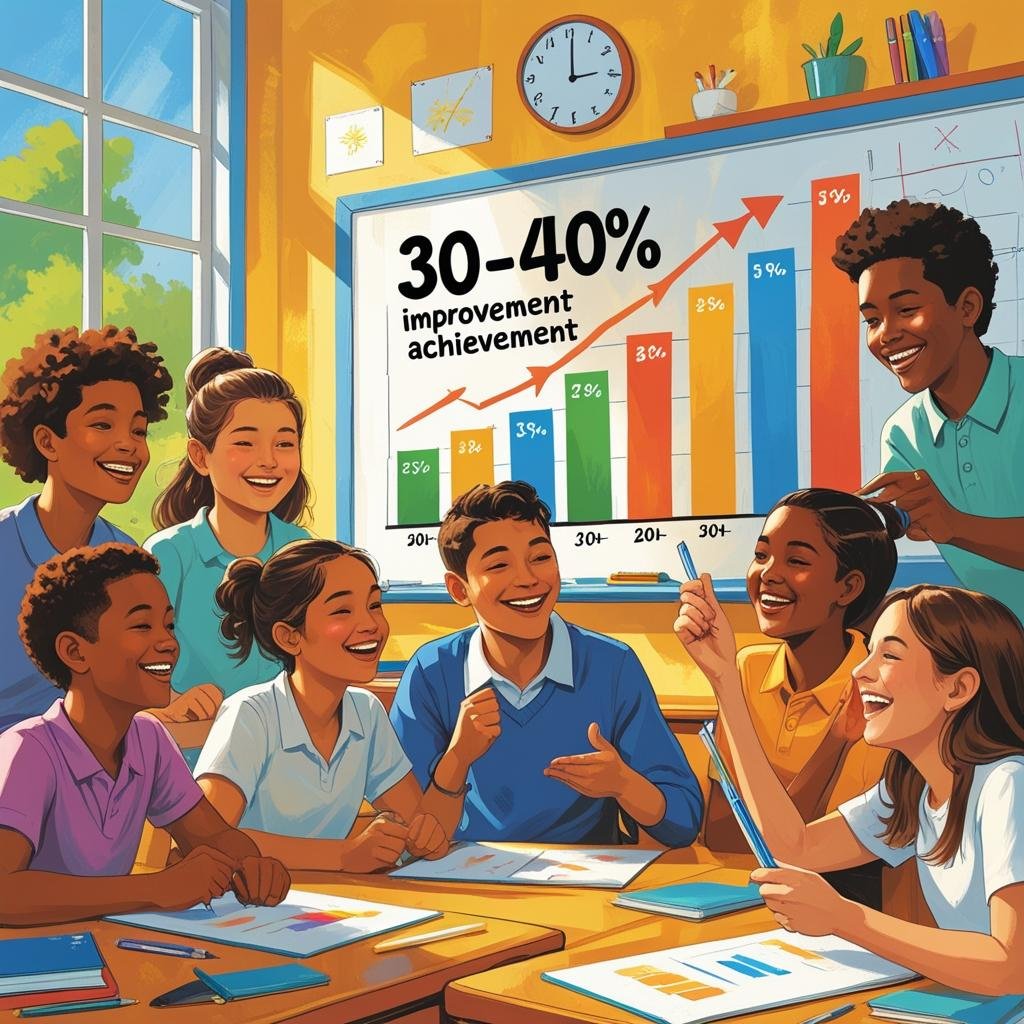
- 30–40% reductions in ODRs within two quarters
- 60% faster response time to Tier 2 student needs
- Significant improvement in restorative-practice adoption
💰 The Economic ROI: 11 to 1rnative linking schemes
According to a cost-benefit analysis conducted by the Center for Benefit-Cost Studies in Education (CBCSE), SEL yields one of the highest ROI scores among all K–12 interventions.
This includes:
- Reduced special education placements
- Fewer grade retentions
- Higher high school and college graduation rates
- Increased long-term earnings potential for students
In short: SEL not only pays for itself, it compounds value across a student’s life span.
📊 Why Data-Driven Platforms Multiply the Return
It’s not just about having SEL, it’s about measuring it.
Districts that pair SEL programming with platforms like In School Success see:
- Sharper intervention alignment
- Real-time subgroup equity analysis
- A faster feedback loop between what’s taught and what’s retained
This tight alignment between implementation, data, and responsiveness ensures your SEL dollars are working where they matter most.
✅ Final Takeaway
The evidence is clear: SEL, when implemented with fidelity and measured with precision, delivers one of the highest returns on investment in all of education.
Administrators aren’t just investing in emotion regulation and relationship skills, they’re funding academic success, long-term economic gains, and a stronger school climate.
Download our “SEL ROI Evidence Summary” Infographic, or book a 30-minute demo to explore how ISSP can help your district translate research into results.